
From Green Coffee to the Perfect Cup: The Journey of Specialty Coffee

From Green Coffee to the Perfect Cup: The Journey of Specialty Coffee
Over the past two decades, specialty coffee has transformed from a niche interest into a global cultural movement. Today, coffee lovers around the world are no longer satisfied with anonymous blends or over-roasted beans. Instead, they seek transparency, quality, and flavor complexity. They want to know where their coffee comes from, how it was processed, and how it was roasted.
This movement is known as Specialty Coffee, and it has reshaped the entire coffee industry — from farmers and importers to roasters, baristas, and cafés.
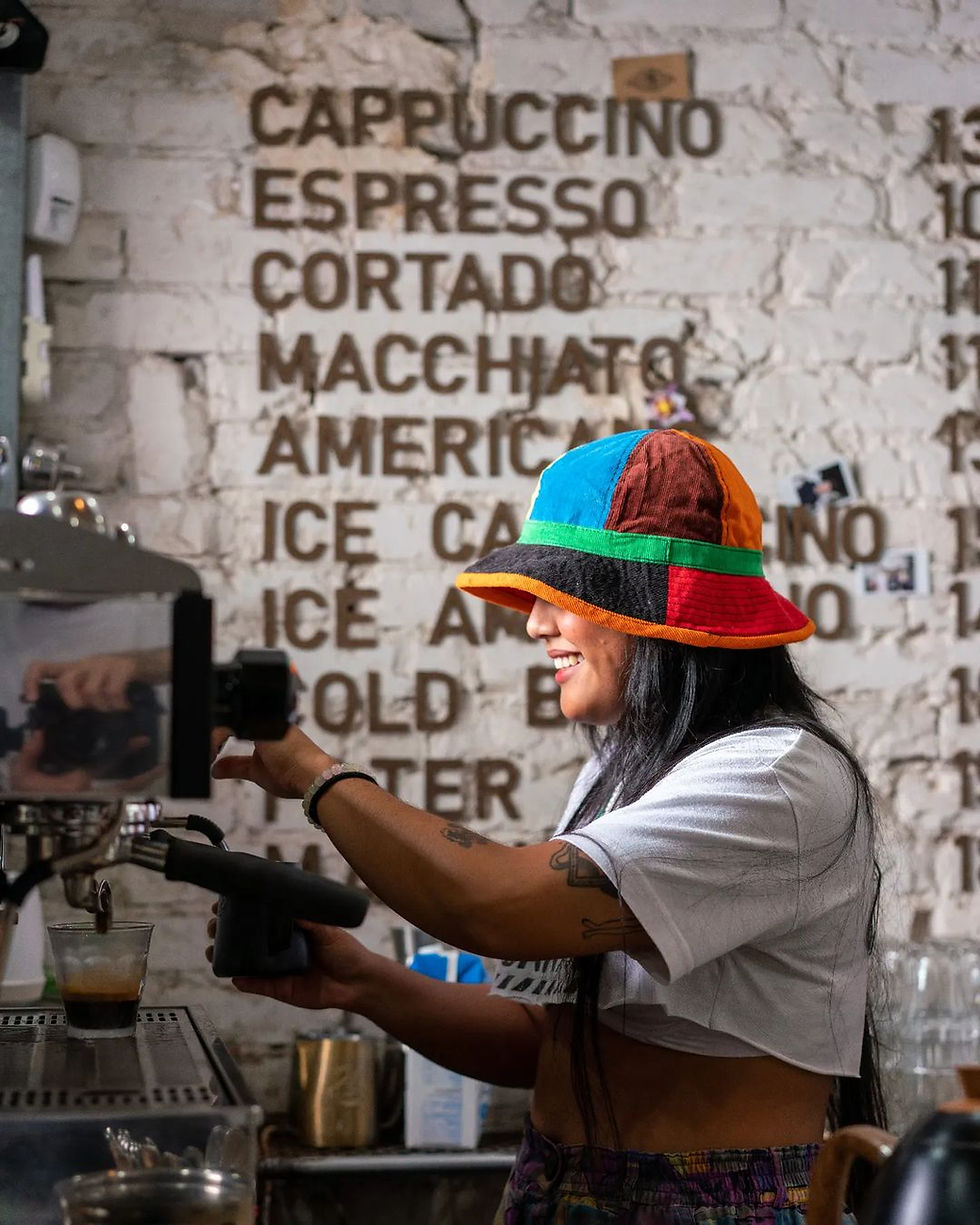
In cities with strong coffee culture, such as Tel Aviv, the specialty coffee scene continues to grow rapidly. One of the places where this culture is expressed daily is Chacho’s Cafe, where roasting, brewing, and community meet in a single cup.
To understand why specialty coffee matters, we need to start from the very beginning — with green coffee.
What Is Green Coffee?
Before coffee becomes the aromatic drink we know and love, it exists as green coffee beans. These are raw seeds extracted from coffee cherries that grow on coffee plants.
Coffee is grown mainly in the “Coffee Belt,” a region that stretches across Central and South America, Africa, and Southeast Asia. Countries such as Ethiopia, Colombia, Brazil, and Rwanda produce some of the world’s most celebrated coffees.
Each region produces beans with different characteristics.
For example:
Ethiopian coffees often have floral and citrus notes.
Colombian coffees may show caramel sweetness and balanced acidity.
Rwandan coffees can offer bright fruit flavors.
When these beans are harvested, processed, and dried, they are shipped around the world as green coffee.
At this stage, the beans have almost no coffee aroma yet. The magic happens during roasting.
The Art of Coffee Roasting
Roasting is the stage where green coffee transforms into the flavorful beans we recognize.
During roasting, the beans are heated to temperatures between 180°C and 220°C. As heat penetrates the beans, complex chemical reactions occur. Sugars caramelize, acids develop, and aromatic compounds are released.
The roaster must carefully control three key variables:
Time
Temperature
Airflow
Small changes in these variables can dramatically affect the flavor of the coffee.
This is why roasting is often considered both a science and an art.
At many specialty cafés, roasting happens locally in small batches to preserve freshness. In Tel Aviv, cafés like Chacho’s Cafe roast their beans in-house, allowing them to control quality and flavor precisely.
Understanding Roast Levels
One of the most important aspects of roasting is choosing the right roast level.
Roast levels typically fall into three categories:
Light Roast
Medium Roast
Dark Roast
Light Roast
Light roast coffee has become a hallmark of specialty coffee culture.
In a light roast, the beans are roasted for a shorter time, allowing the natural flavors of the coffee to shine. This means the cup reflects the characteristics of the origin.
A light roasted Ethiopian coffee might taste like jasmine and lemon.
A light roasted Colombian coffee may show apple, honey, and caramel.
Because of this transparency, light roast is often preferred for filter brewing methods such as pour-over, V60, and Chemex.
Medium Roast
Medium roast coffee offers a balance between origin flavors and roasting sweetness.
You might taste chocolate, nuts, and caramel notes alongside mild acidity.
This roast level is often popular for espresso.
Dark Roast
Dark roast coffee is roasted longer, producing bold flavors and heavier body. The roasting process dominates the flavor, creating smoky or bitter notes.
While dark roasts were historically common in commercial coffee, specialty coffee culture generally favors lighter profiles.
The Rise of Specialty Coffee Culture
Specialty coffee is more than a product — it is a philosophy.
This philosophy emphasizes:
Quality sourcing
Direct relationships with farmers
Precise roasting
Careful brewing
Specialty coffee is graded using strict standards. To be classified as specialty coffee, beans must score 80 points or higher on the Specialty Coffee Association scale.
This ensures that only the highest quality beans enter the specialty market.
Consumers are increasingly interested in this transparency.
They want to know:
Where their coffee was grown
Who produced it
How it was processed
How it was roasted
Cafés that embrace this philosophy often become community hubs.
In Tel Aviv, cafés such as Chacho’s Cafe have built a loyal following by combining high-quality coffee with a welcoming neighborhood atmosphere.
The Importance of Fresh Roasting
Freshness is one of the most important factors in coffee flavor.
Once coffee is roasted, it begins slowly losing its aromatic compounds.
For this reason, many specialty cafés roast their beans locally and in small batches.
Fresh roasting allows baristas to:
Control the roast profile
Adjust flavors
Maintain consistency
At Chacho’s Cafe, the roasting process is part of the café’s identity. Beans are selected from different origins and roasted with care to highlight their natural characteristics.
This approach reflects a broader trend in specialty coffee: transparency and craftsmanship.
Brewing the Perfect Cup
Even the best beans can be ruined by poor brewing.
That’s why specialty cafés focus heavily on brewing techniques.
Common brewing methods include:
Espresso
Pour-over (V60)
Chemex
French Press
Aeropress
Cold Brew
Each brewing method highlights different aspects of the coffee.
Espresso emphasizes intensity and body.
Pour-over reveals clarity and complexity.
Cold brew produces smooth, low-acidity coffee.
Baristas adjust grind size, water temperature, and extraction time to create the ideal cup.
Coffee as Community
Perhaps the most beautiful aspect of specialty coffee is the community it creates.
Coffee shops are places where people meet friends, start their mornings, work on creative projects, or simply pause for a moment.
In many cities, specialty cafés have become cultural spaces.
In Tel Aviv, both locations of Chacho’s Cafe embody this idea. Whether in the vibrant streets near the beach at Geula or in the urban atmosphere of Gordon Street, the cafés combine quality coffee with a relaxed neighborhood vibe.
The Future of Specialty Coffee
The specialty coffee movement continues to evolve.
New processing techniques, innovative roasting methods, and closer collaboration with farmers are shaping the future of coffee.
Consumers are also becoming more educated and curious.
They want lighter roasts, traceable beans, and unique flavor profiles.
As this culture grows, cafés like Chacho’s Cafe play an important role in introducing people to the world of specialty coffee.
Because at the end of the day, coffee is more than a beverage.
It is agriculture, science, craftsmanship, and culture — all in one cup.


Comments